All categories
Electrical Circuit Protection & Load Centers
Electrical Circuit Protection & Load Centers on Applied Automation
Electrical Circuit Protection & Load Centers
An electrical service panel, also referred to as a load center, circuit breaker box, or panelboard, is an essential part of a home's electrical system. Its role is to accept power from the utility company and then distribute it to the different electrical circuits in the house.
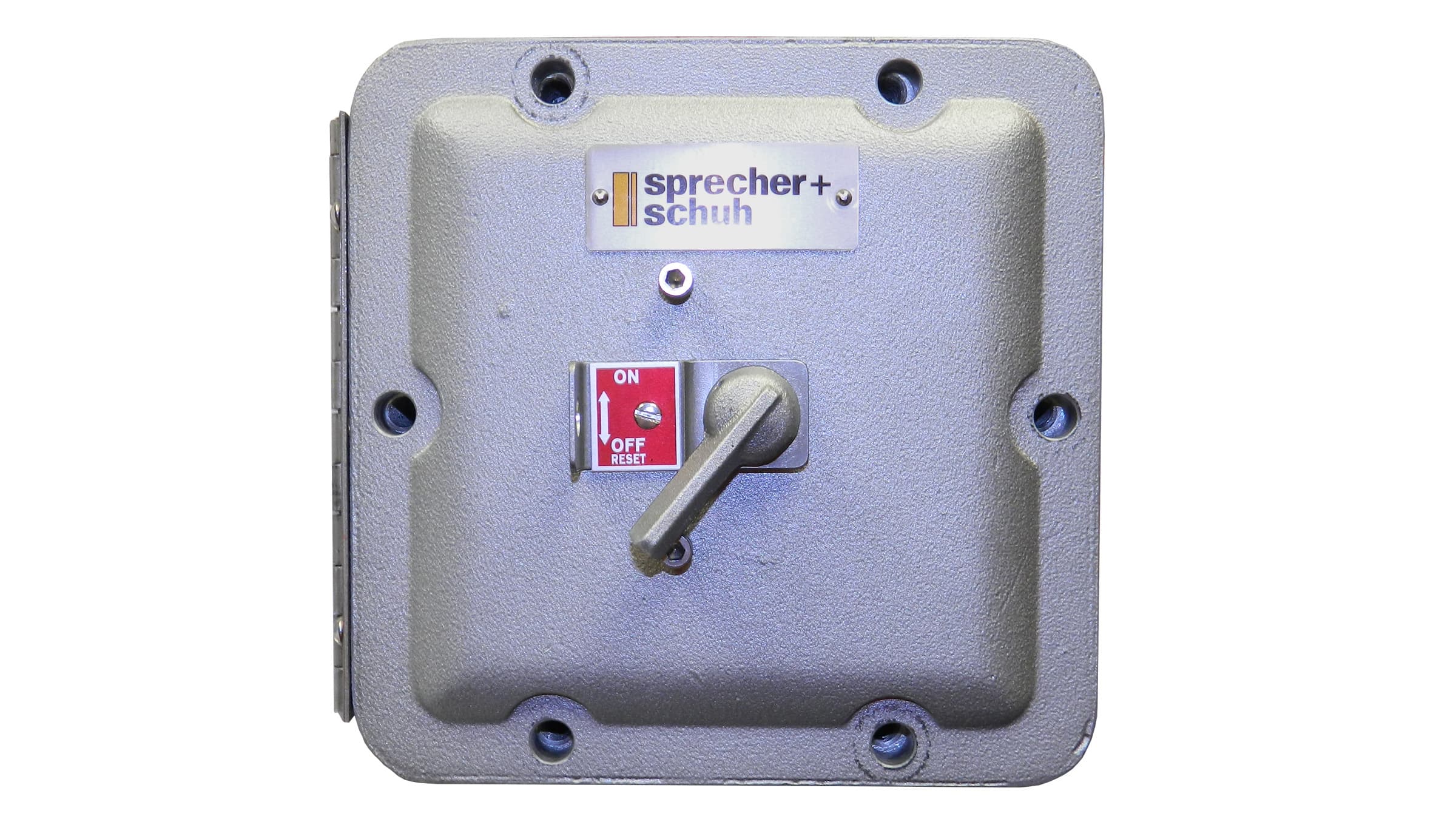
Combination Motor Starters
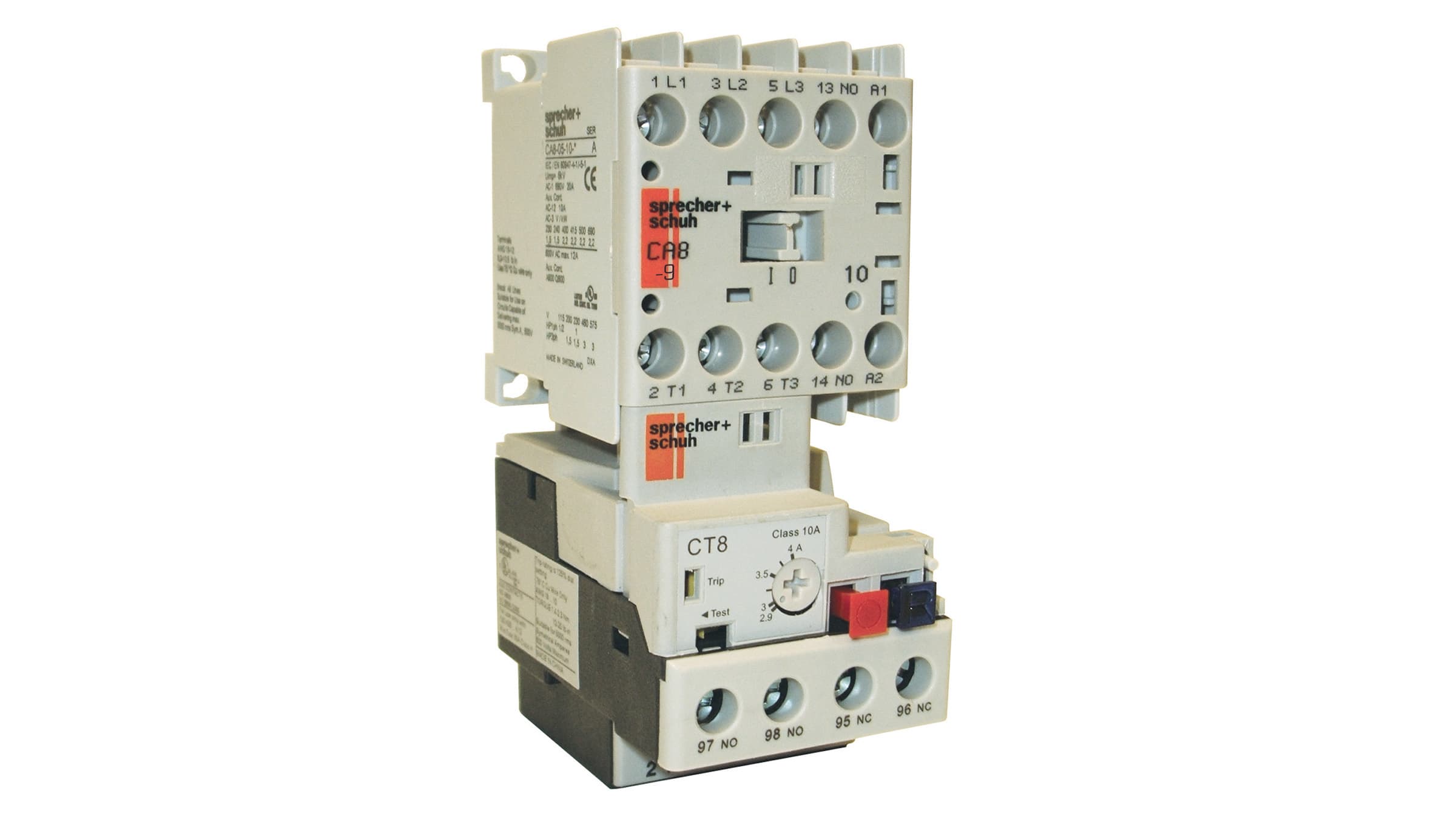
Motor Starters
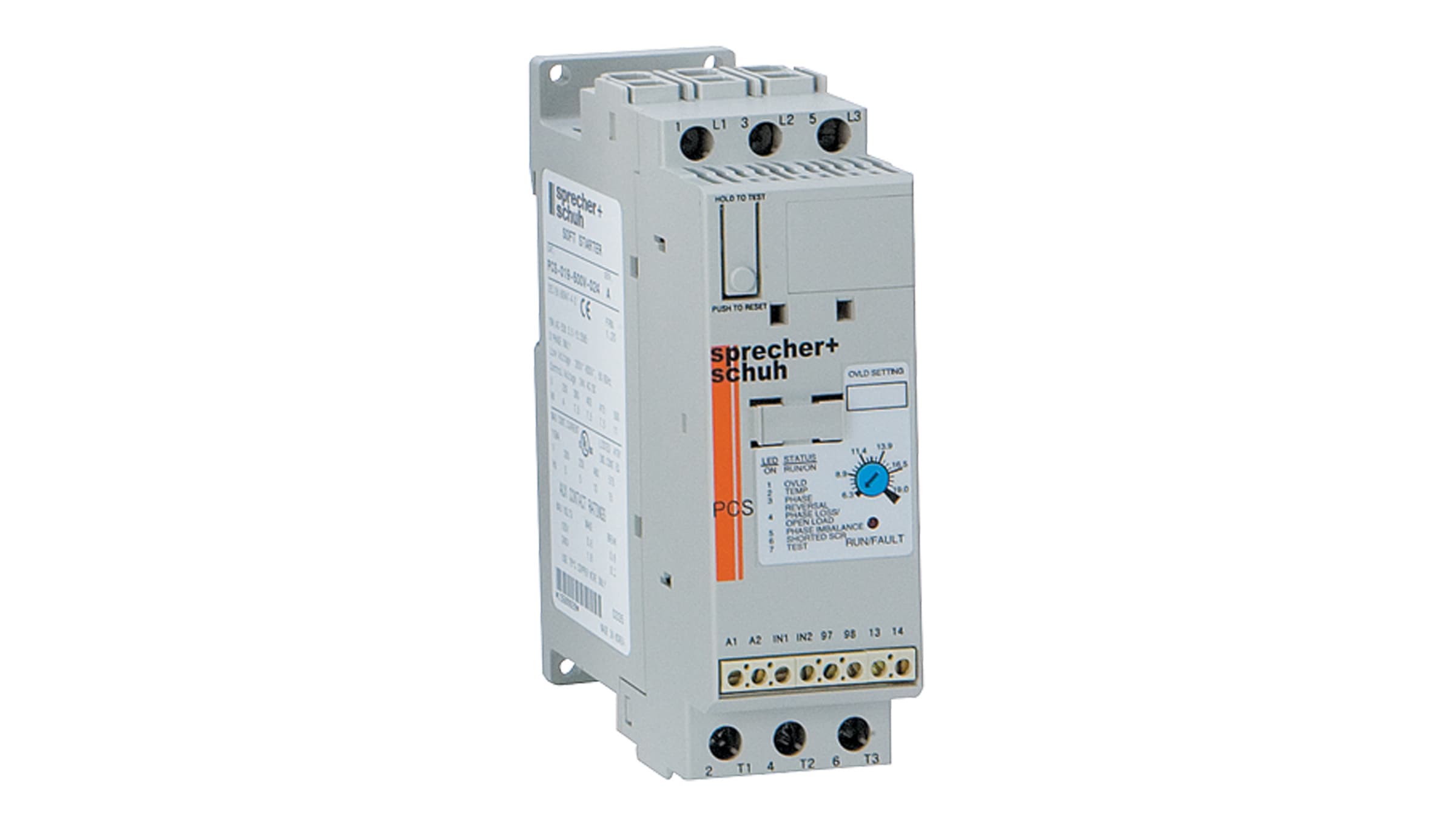
Motor Soft Starters
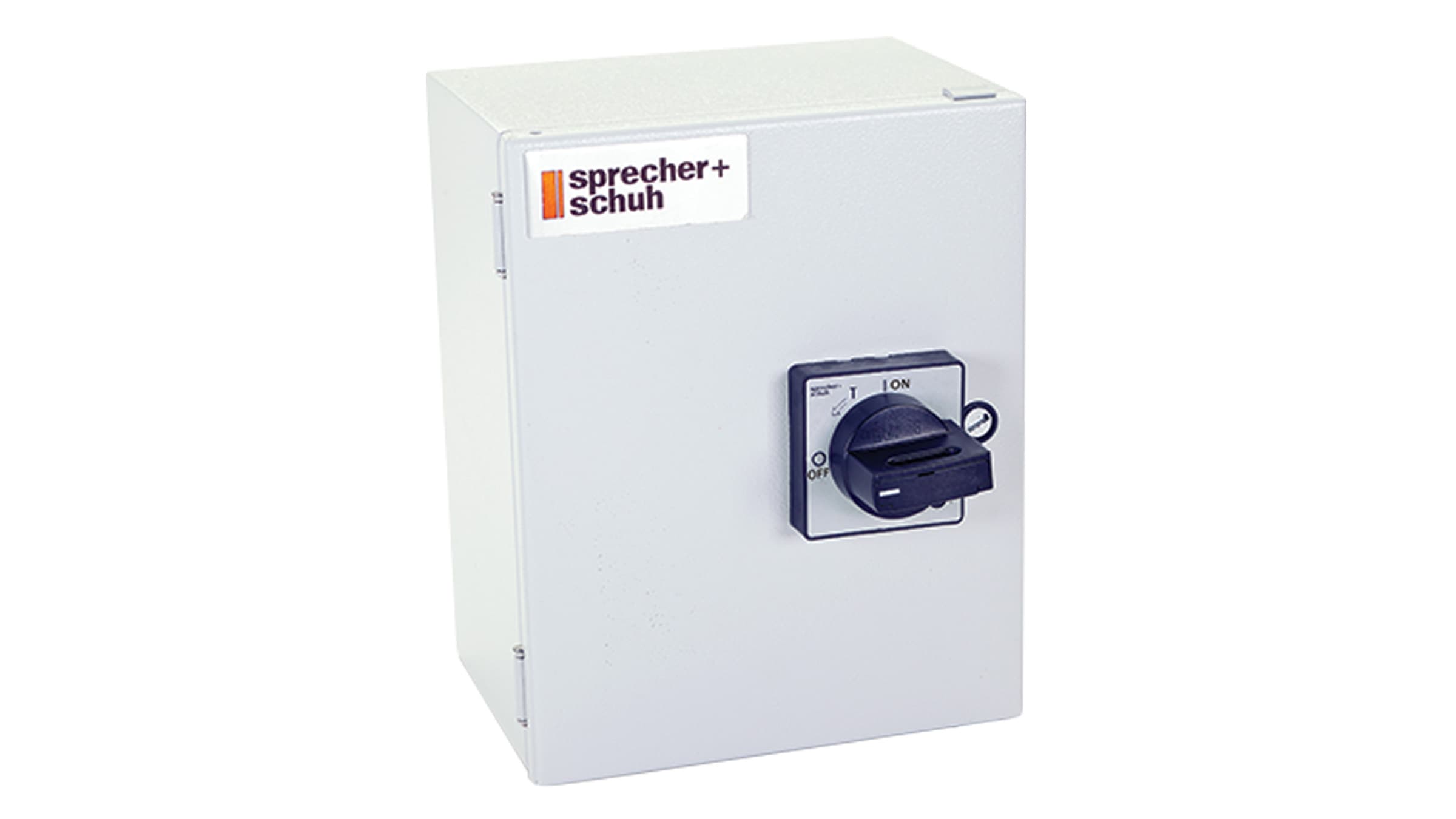
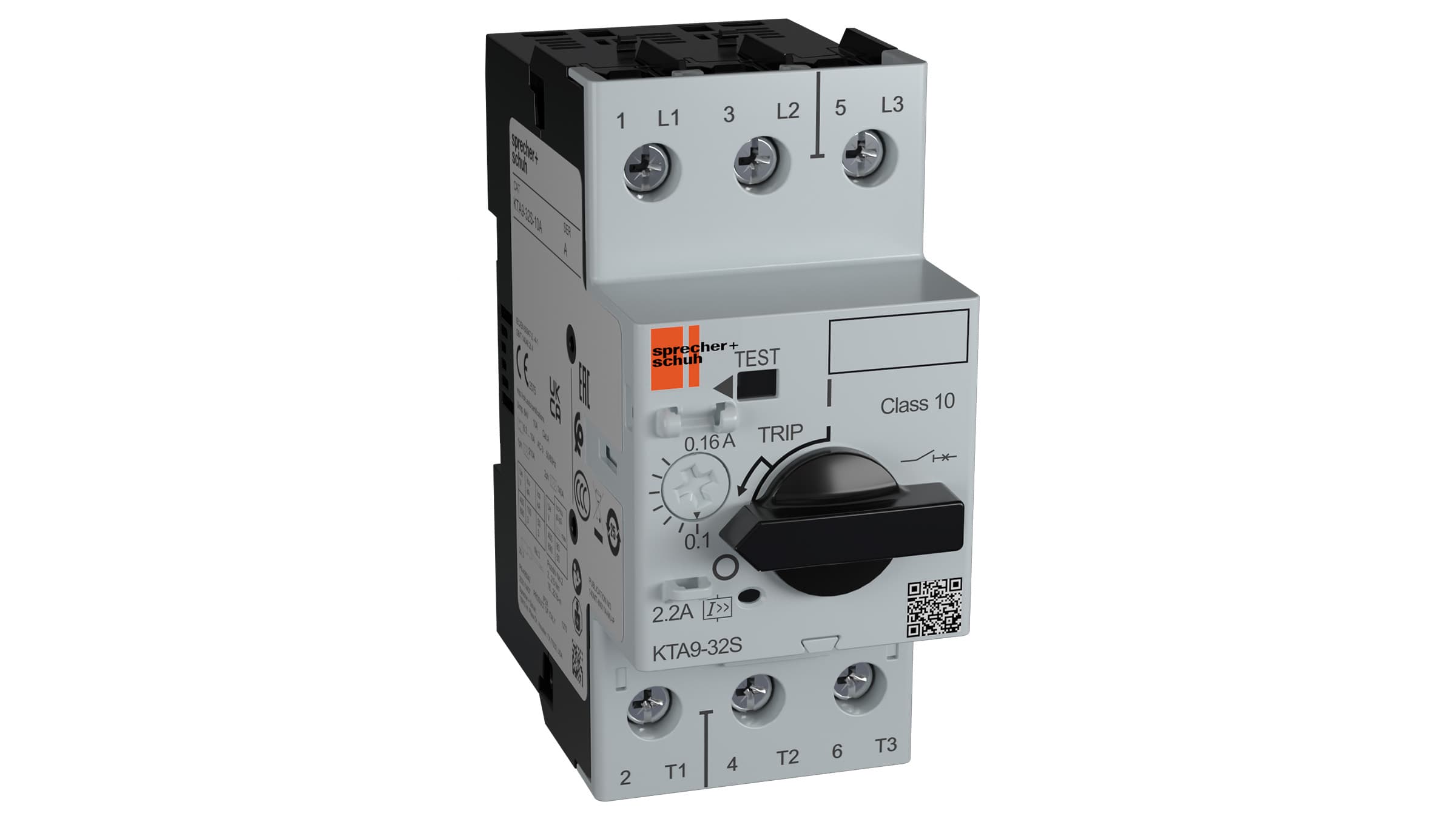
Manual Motor Protectors

Electronic Circuit Breakers (ECBs)
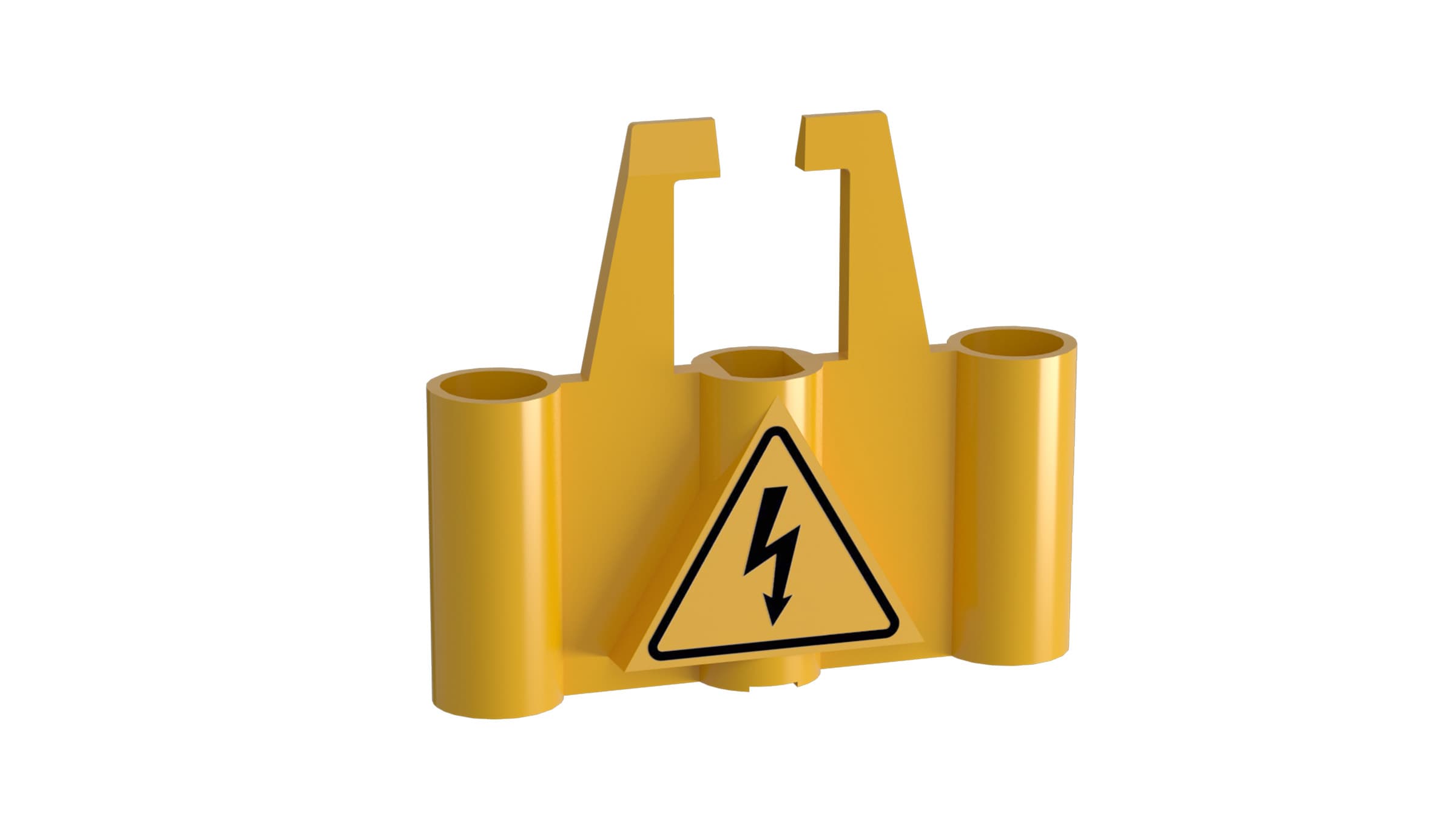
Circuit Protection Accessories
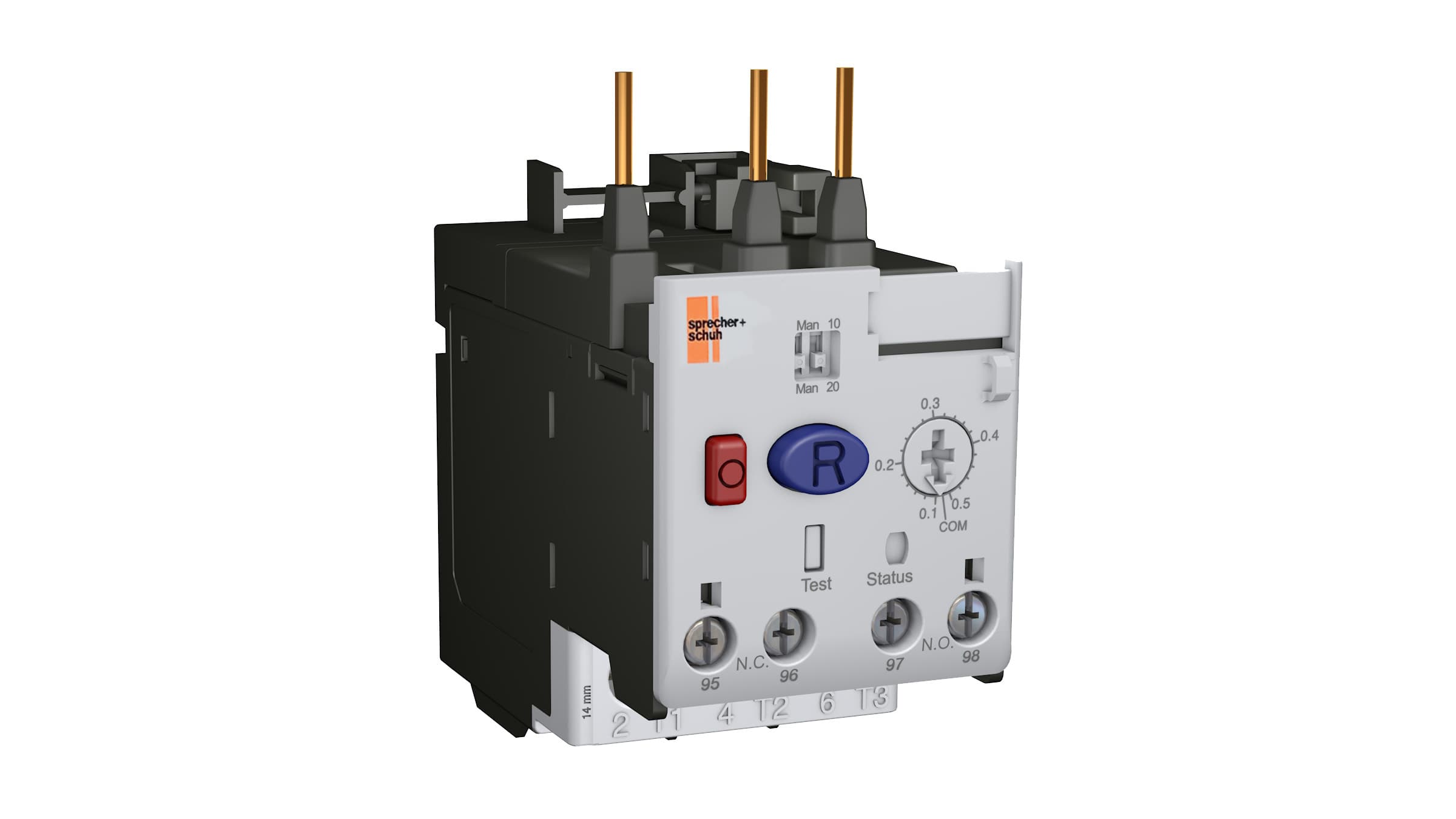
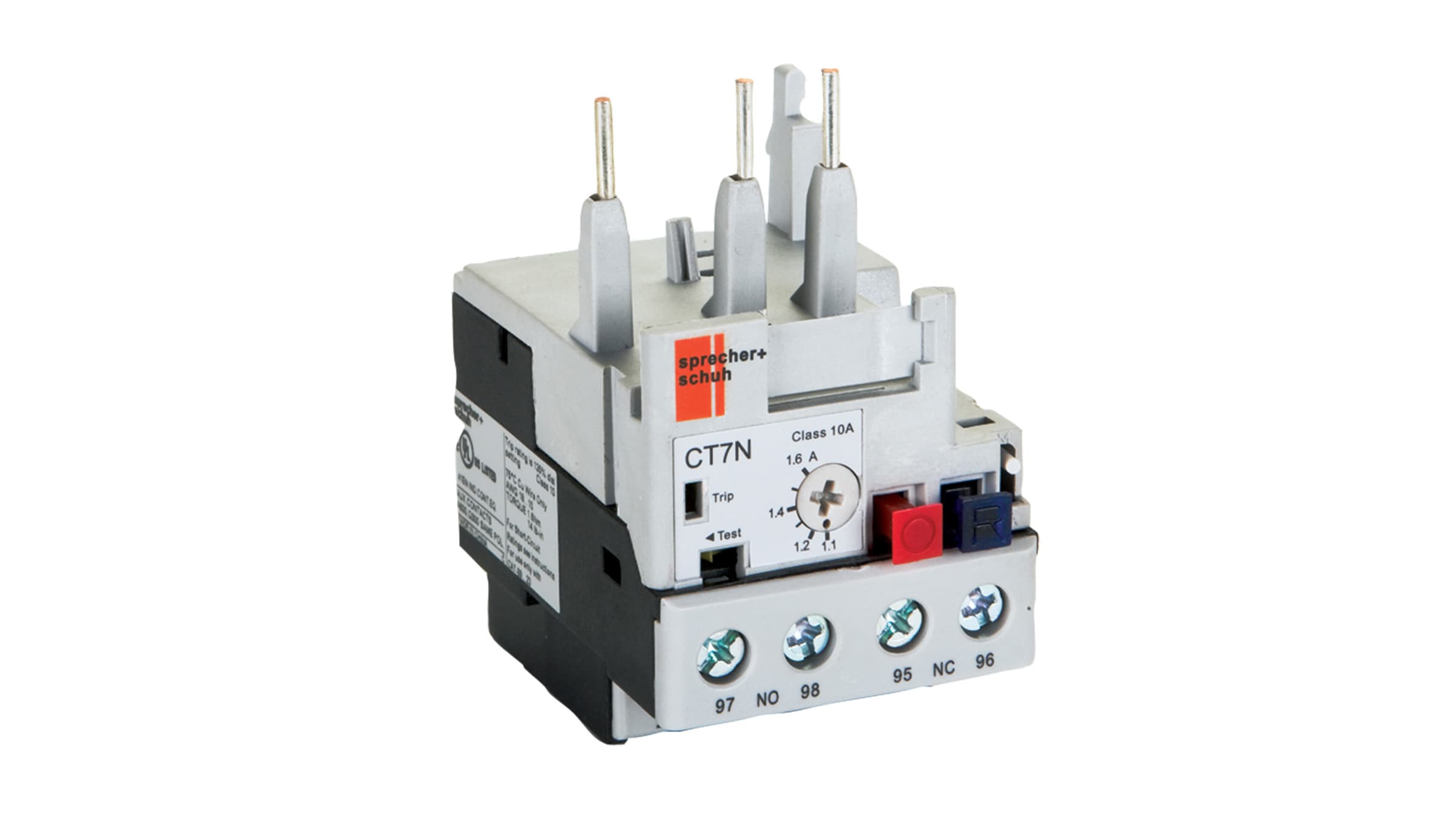
Thermal Overload Relays
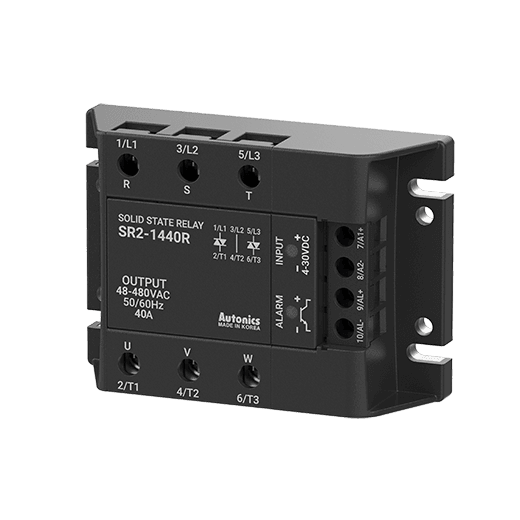
Solid State Relays (SSR)

Supplementary Protectors
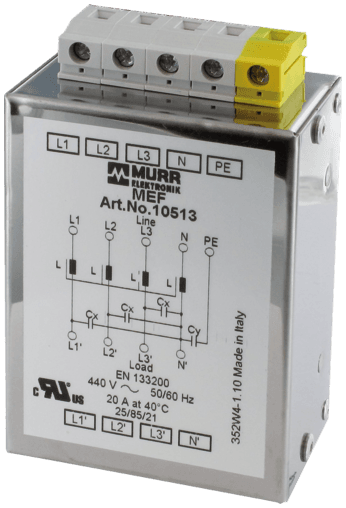
Line Filters & Conditioners
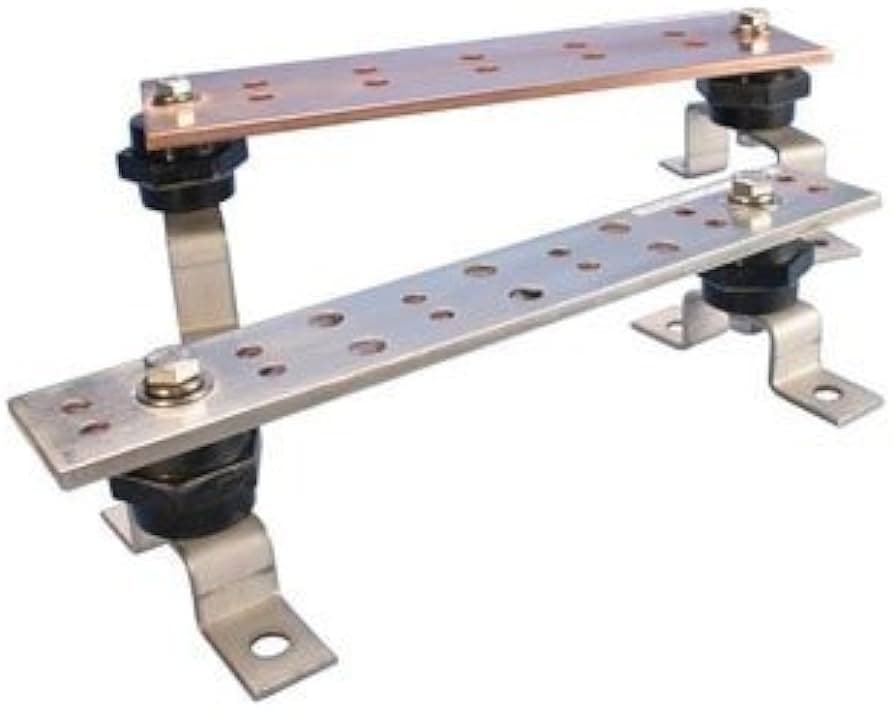
Grounding & Bonding Equipment
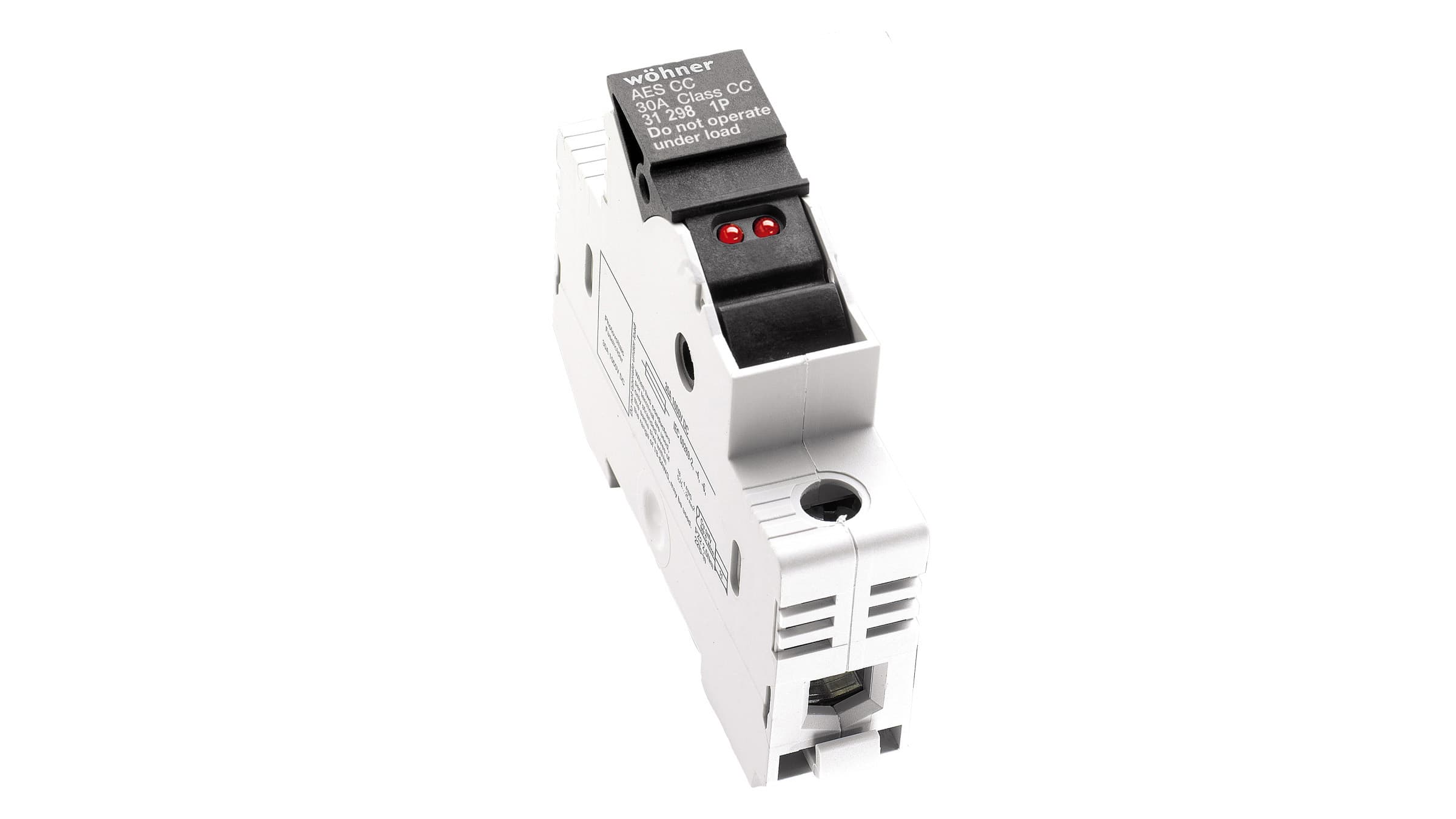
Fuses & Fuse Holders
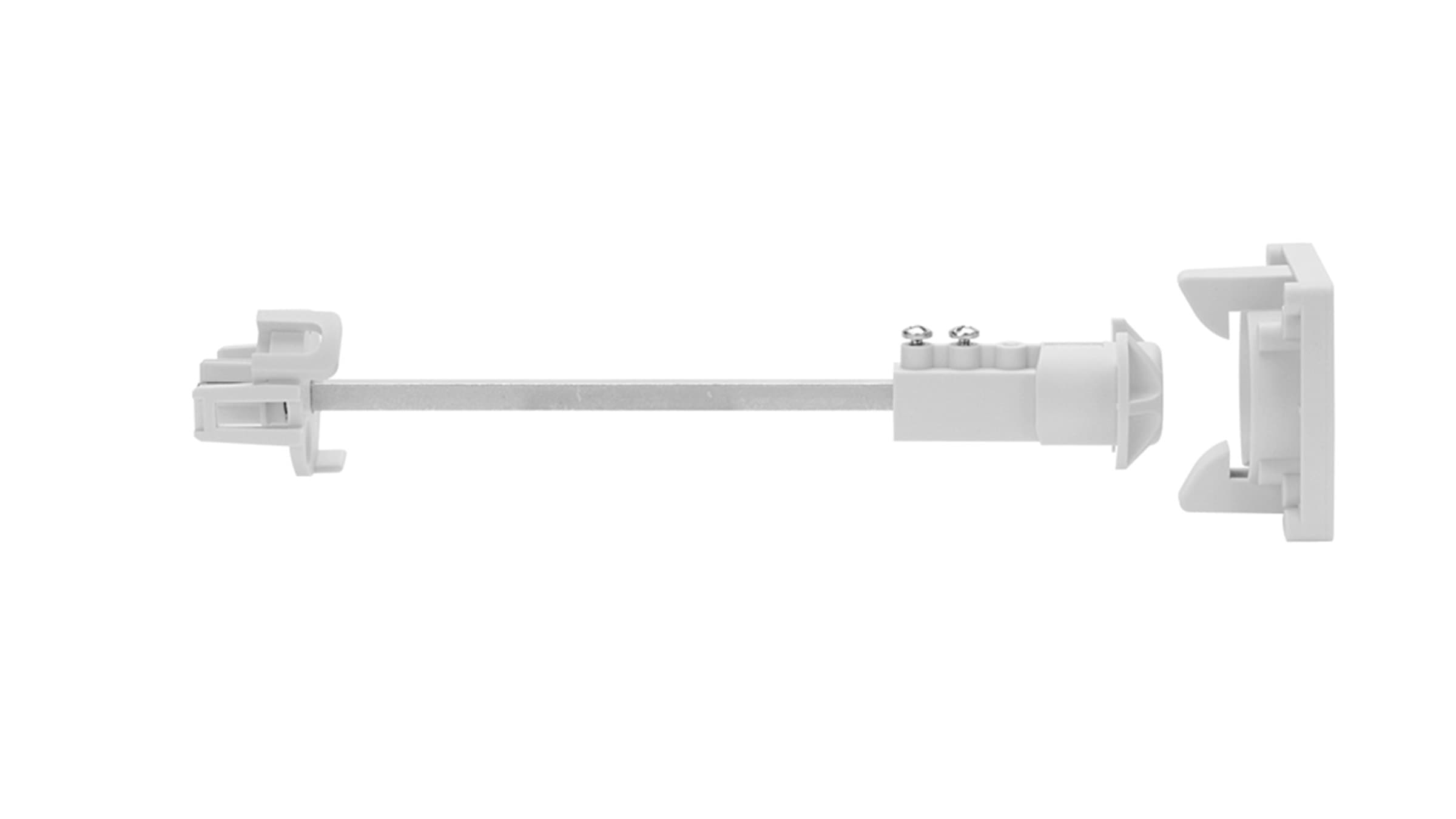
Disconnect Switches
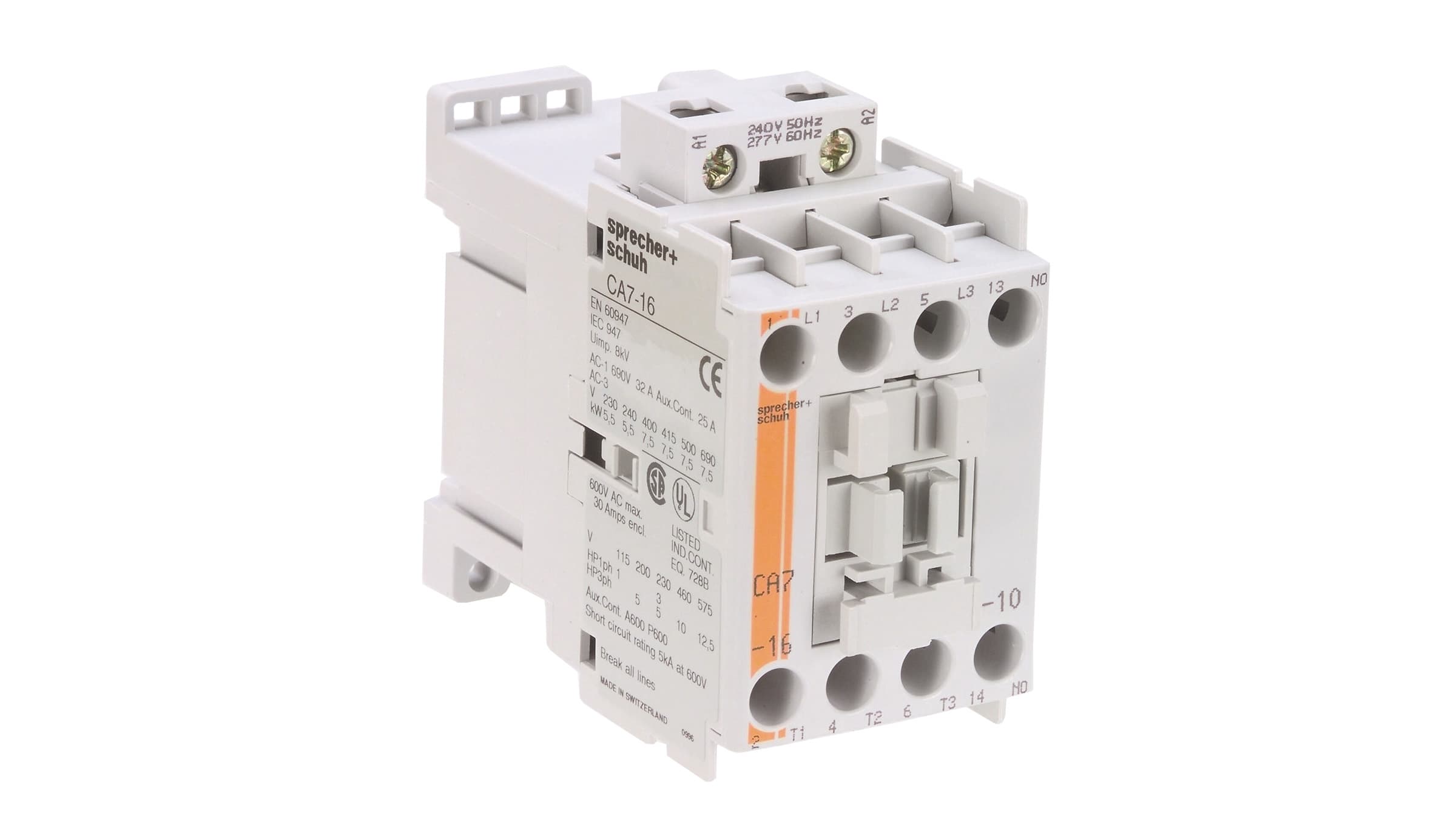
Contactors
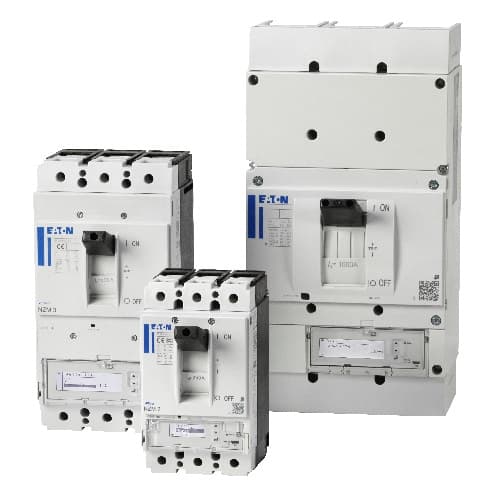
Molded Case Circuit Breakers (MCCB)
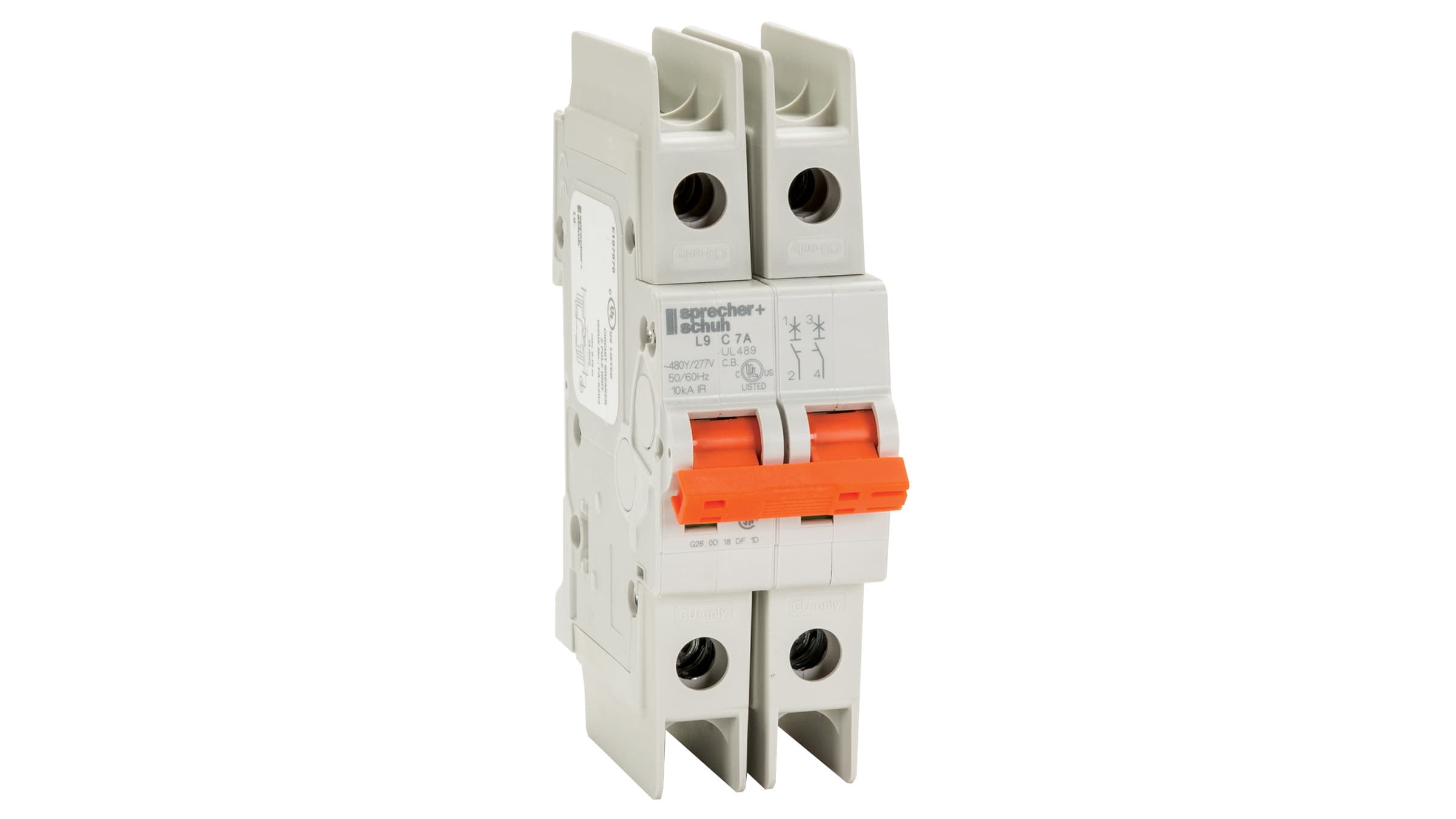
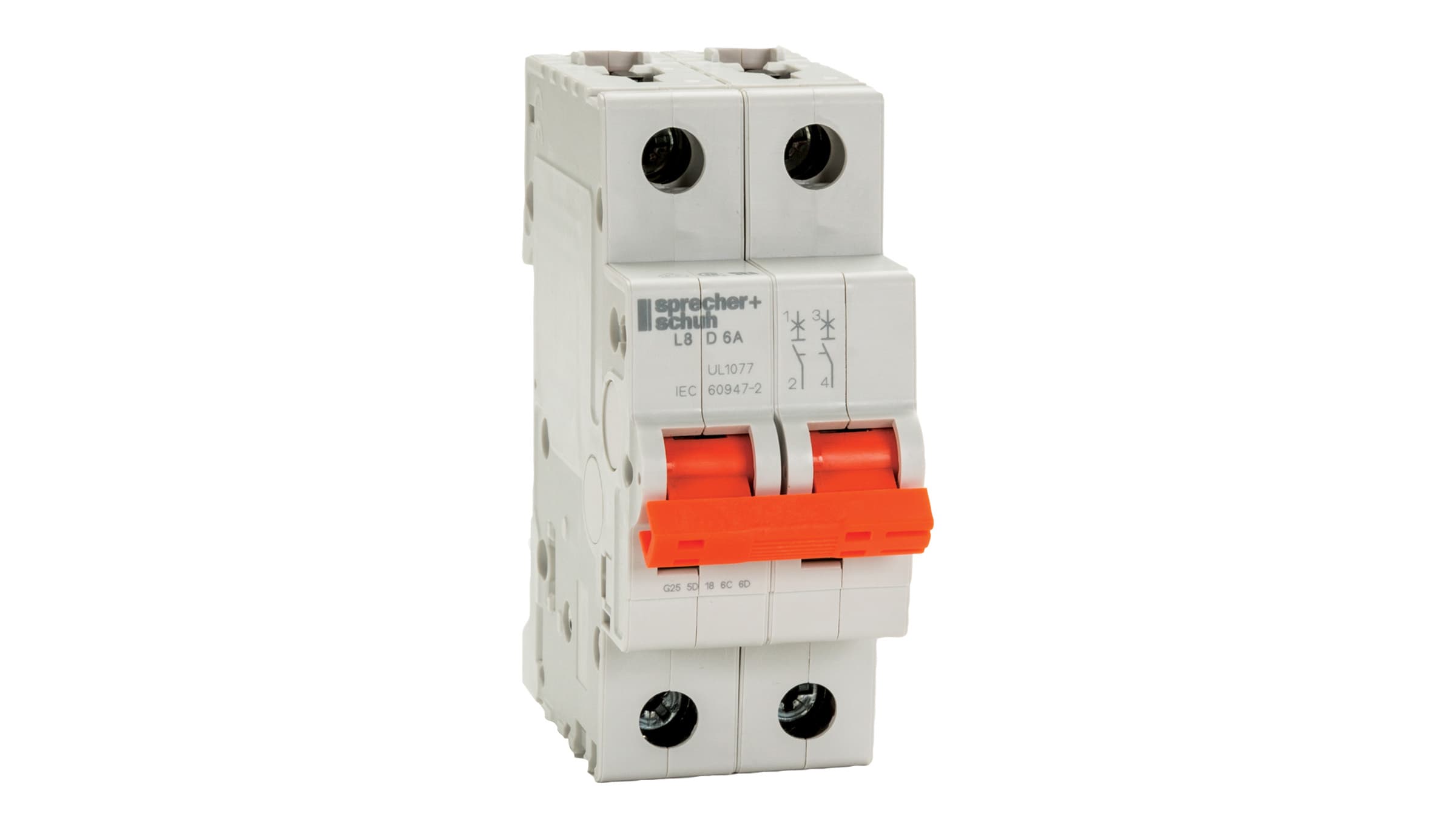
Miniature Circuit Breakers (MCBs)
Electrical Circuit Protection & Load Centers
General Guide & Overview
A load center, also known as an electrical service panel, circuit breaker box, or panelboard, is a crucial component of a home's electrical system. It functions to receive incoming power from the utility company and distribute it to the various electrical circuits throughout the house. There are two main types of load centers: main breaker load centers and main lug load centers. Main breaker load centers have a built-in main breaker that provides overcurrent protection for all the downstream circuits. On the other hand, main lug load centers have a single lug and do not have a main breaker. They are often used as subpanels to add additional circuits to an existing electrical system. Load centers are essential for ensuring the safety and efficiency of the electrical distribution in a home.
Understanding Load Centers and Panelboards
Load centers and panelboards, which are essentially the same thing, serve as the central distribution centers for electrical power in a residential setting. They house circuit breakers that safeguard individual electrical circuits throughout the home. The load center receives power from either the utility company or another load center and then efficiently distributes it to the various branch circuits.
Each circuit within the load center is safeguarded by a circuit breaker, designed to trip and cut off the power in case of an overload or short circuit. This vital feature ensures the protection and safety of the electrical circuits.
Load centers are available in various sizes and configurations to cater to the specific requirements of a home's electrical system. This versatility allows them to effectively accommodate diverse electrical power distribution needs.
Main Breaker Load Centers vs. Main Lug Load Centers
When it comes to the primary load centers in a home's electrical system, two options stand out: main breaker load centers and main lug load centers. Understanding the differences between these two components is crucial for designing an efficient and reliable electrical system.
Main breaker load centers are the centerpiece of the electrical system. They are installed at the service entrance point, directly receiving power from the utility company. The main breaker built into these load centers provides overcurrent protection for all the downstream circuits, ensuring the safety and integrity of the electrical distribution.
On the other hand, main lug load centers, also known as subpanels, are typically installed downstream from the main breaker load center. They serve as additional distribution points for adding circuits to the electrical system. Unlike main breaker load centers, main lug load centers do not have a built-in main breaker. Instead, they rely on the main breaker in the main load center for overcurrent protection.
One of the advantages of using main lug load centers is the ability to create independent electrical zones. This is particularly useful when building accessory dwelling units or needing to expand the number of circuits in a home. By installing a main lug load center as a subpanel, you can isolate and control specific areas of your electrical system.
Whether you opt for a main breaker load center or a main lug load center, both options play an essential role in the distribution and protection of electrical power throughout your home. The choice depends on the specific needs of your electrical system and the desired level of control and flexibility you require.
Load centers are vital for ensuring the safety, efficiency, and proper distribution of electrical power in a home's electrical system. Acting as the central hub, load centers distribute electrical power to various circuits throughout the house while providing essential circuit protection. Whether it is a main breaker load center or a main lug load center, these components accurately distribute and protect electrical power from potential overloads or short circuits.
Choosing the appropriate load center for your electrical system is essential in maintaining a safe and efficient electrical setup. It is crucial to consider factors such as the size and configuration of the load center to ensure it meets the specific needs of your home. Following proper installation and maintenance procedures is also critical for the longevity and reliability of the electrical system.
By utilizing the right load center and implementing proper circuit protection measures, you can guarantee the safety and efficiency of your home's power system. Electrical circuit protection, efficiency, and safety should always be a priority when considering load centers and their role in your electrical system's distribution of circuits.
FAQ
A load center, also known as an electrical service panel, circuit breaker box, or panelboard, is a crucial component of a home's electrical system. It functions to receive incoming power from the utility company and distribute it to the various electrical circuits throughout the house.
Load centers, also referred to as panelboards, contain circuit breakers that protect the individual electrical circuits throughout the house. They receive power from the utility company or another load center and distribute it to the various branch circuits, ensuring the safety and efficiency of the electrical distribution in a home.
The main types of load centers are main breaker load centers and main lug load centers. Main breaker load centers have a built-in main breaker that provides overcurrent protection for all the downstream circuits. Main lug load centers, on the other hand, have a single lug and do not have a main breaker. They are often used as subpanels to add additional circuits to an existing electrical system.
Main breaker load centers are the primary load centers in a home's electrical system. They have a built-in main breaker that provides overcurrent protection for all the downstream circuits. Main lug load centers, also known as subpanels, do not have a main breaker. They are typically installed downstream from the main breaker load center to add additional circuits to the electrical system. Main lug load centers create independent electrical zones and rely on the main breaker in the main load center for overcurrent protection.
Load centers play a critical role in the electrical circuit protection and overall efficiency and safety of a home's electrical system. They serve as the central hub for distributing electrical power to the various circuits throughout the house, ensuring that the power is accurately distributed and protected from potential overloads or short circuits. Choosing the appropriate load center and following proper installation and maintenance procedures is essential for the longevity and reliability of the system.