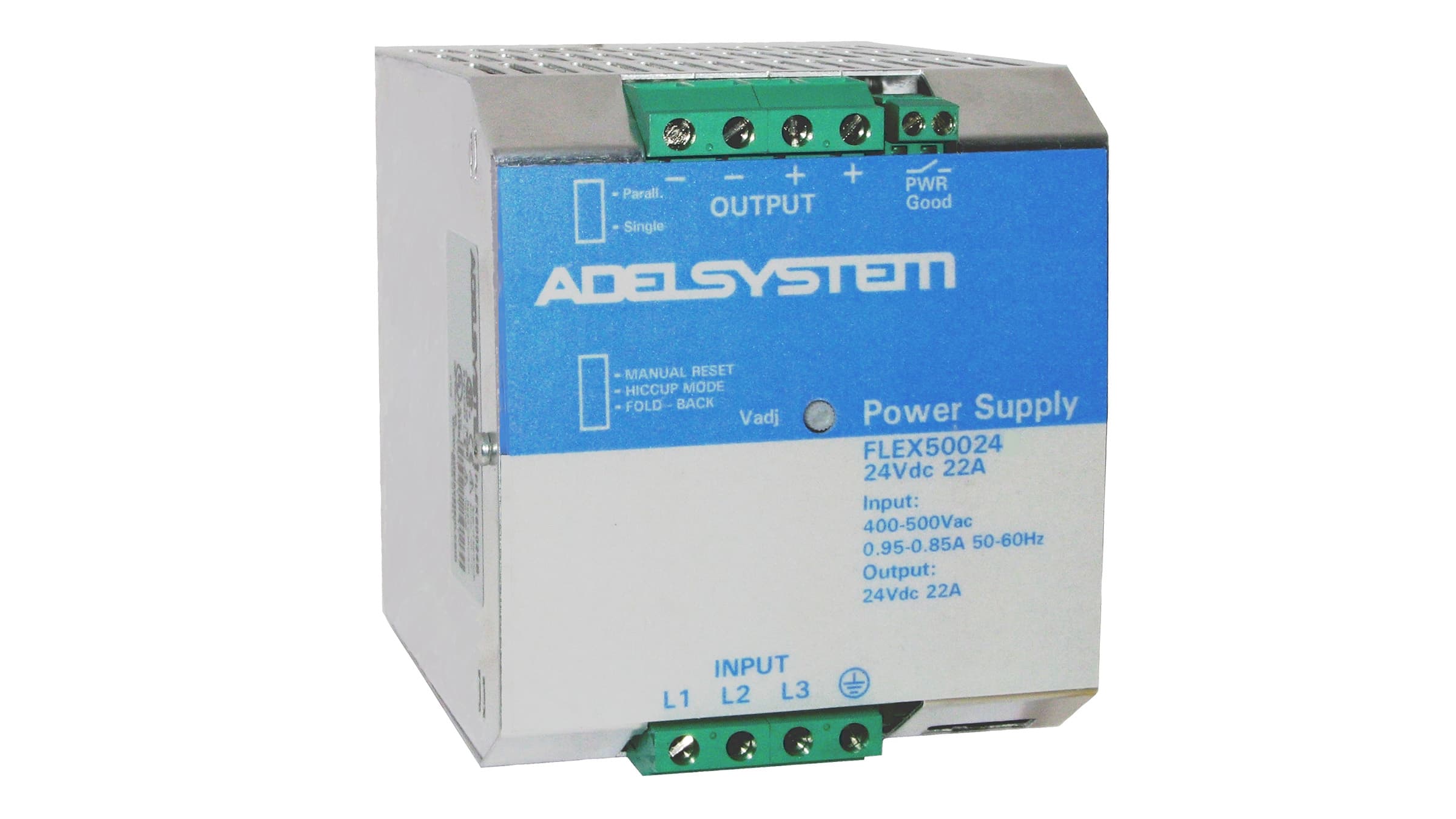
Sprecher + Schuh Power Converters on Applied Automation
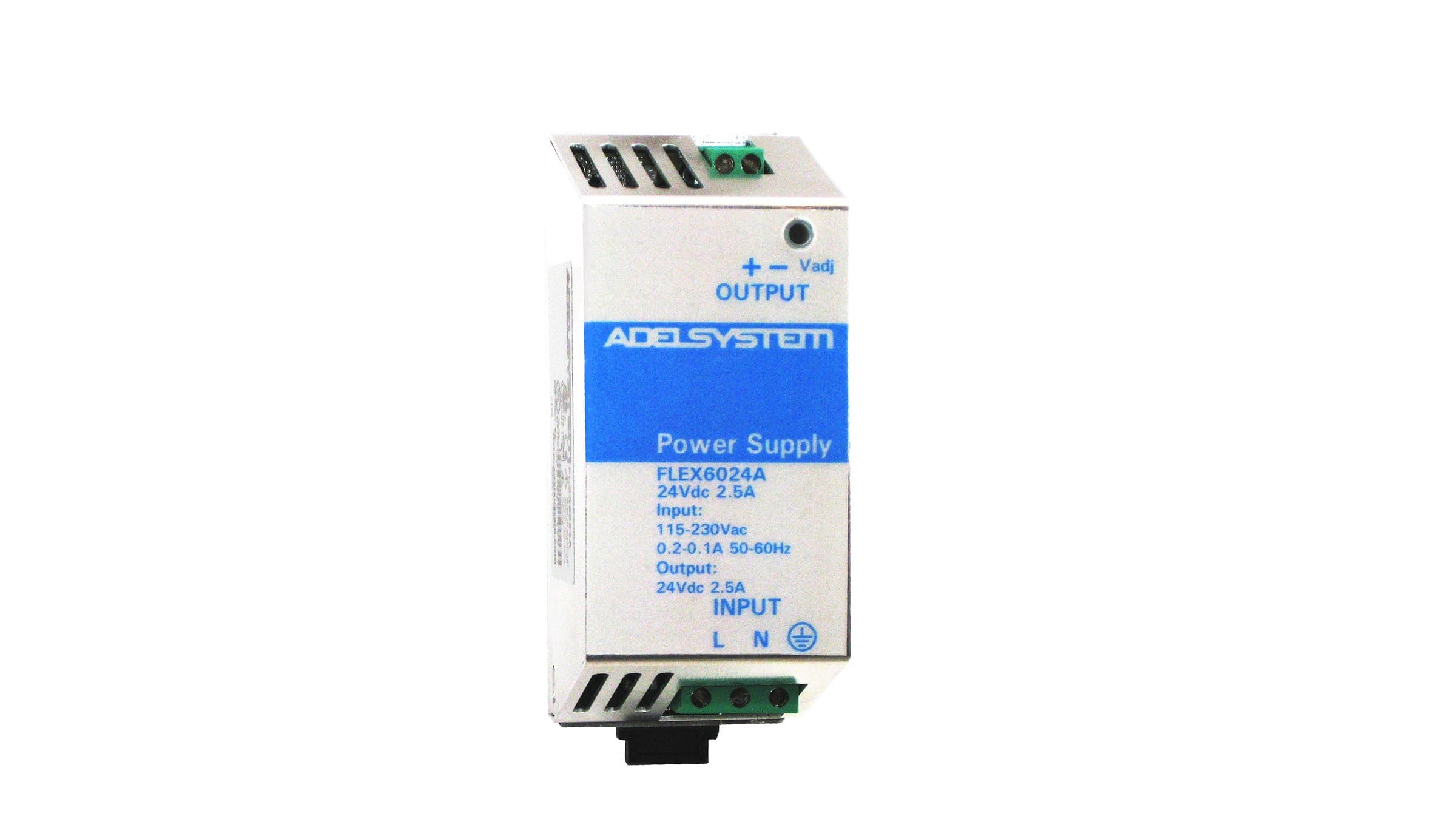

Power Converters- Sprecher + Schuh
Power converters play a crucial role in managing and directing the flow of electrical energy in different applications. They transform an unregulated DC voltage into a regulated DC or AC voltage that is appropriate for the load.
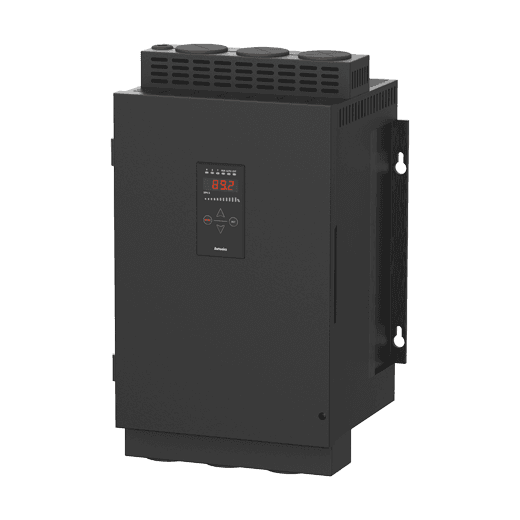
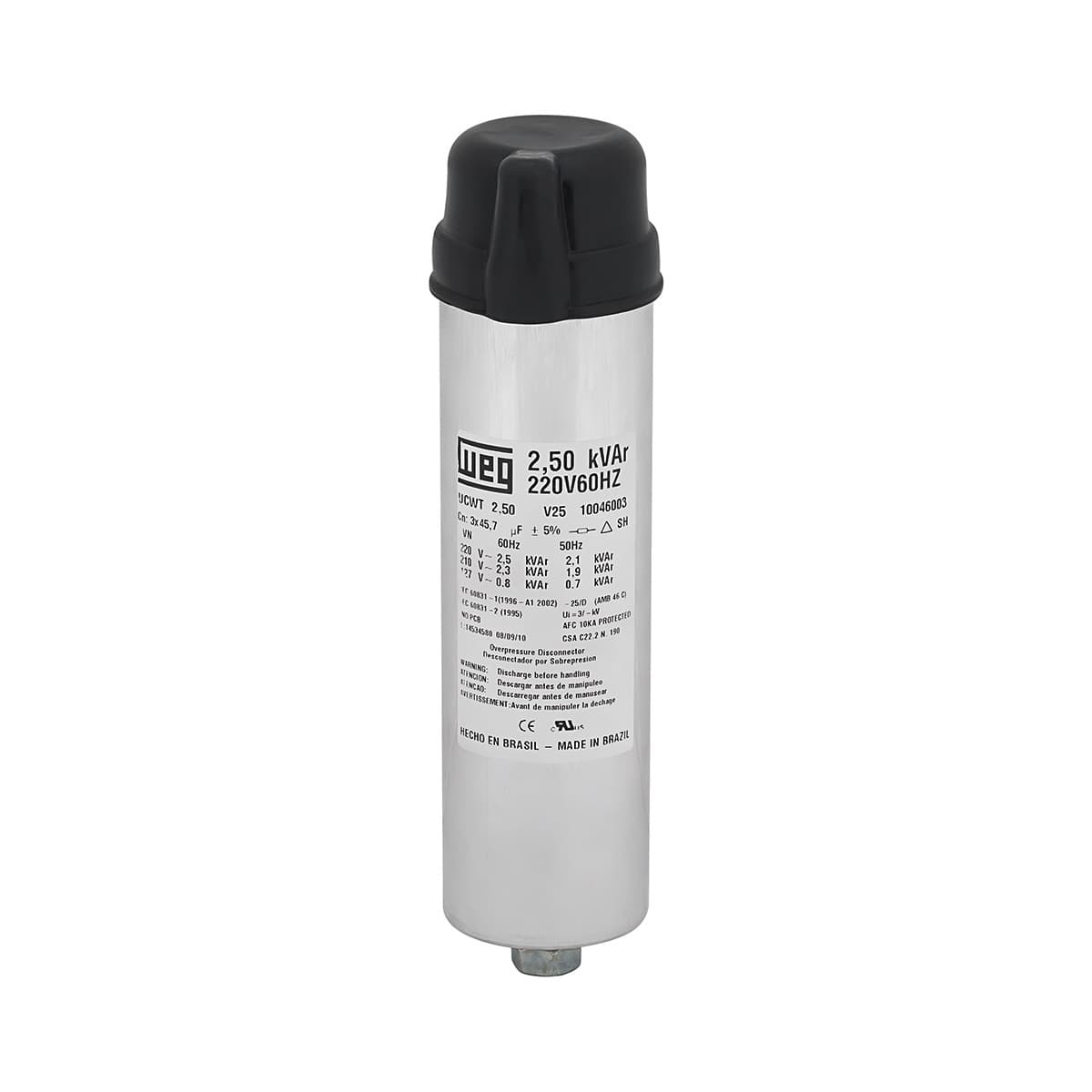
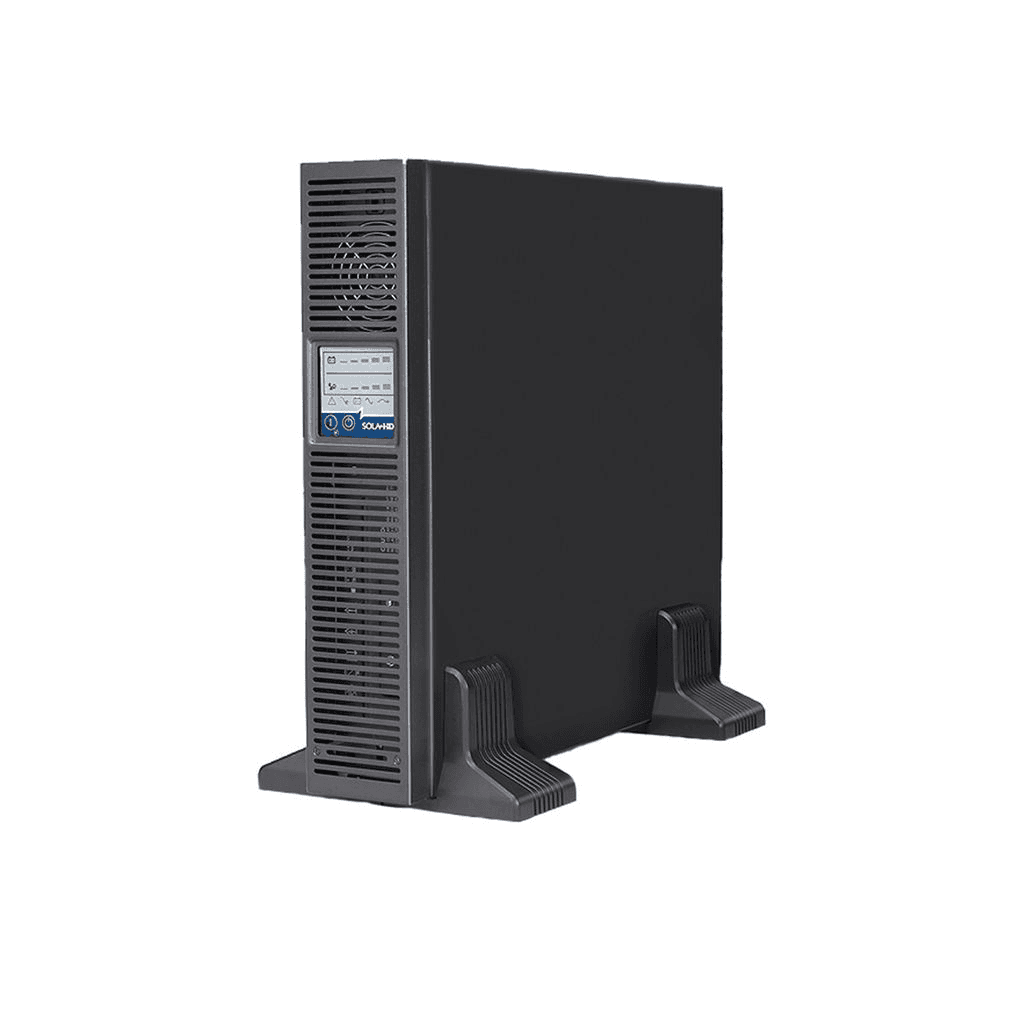
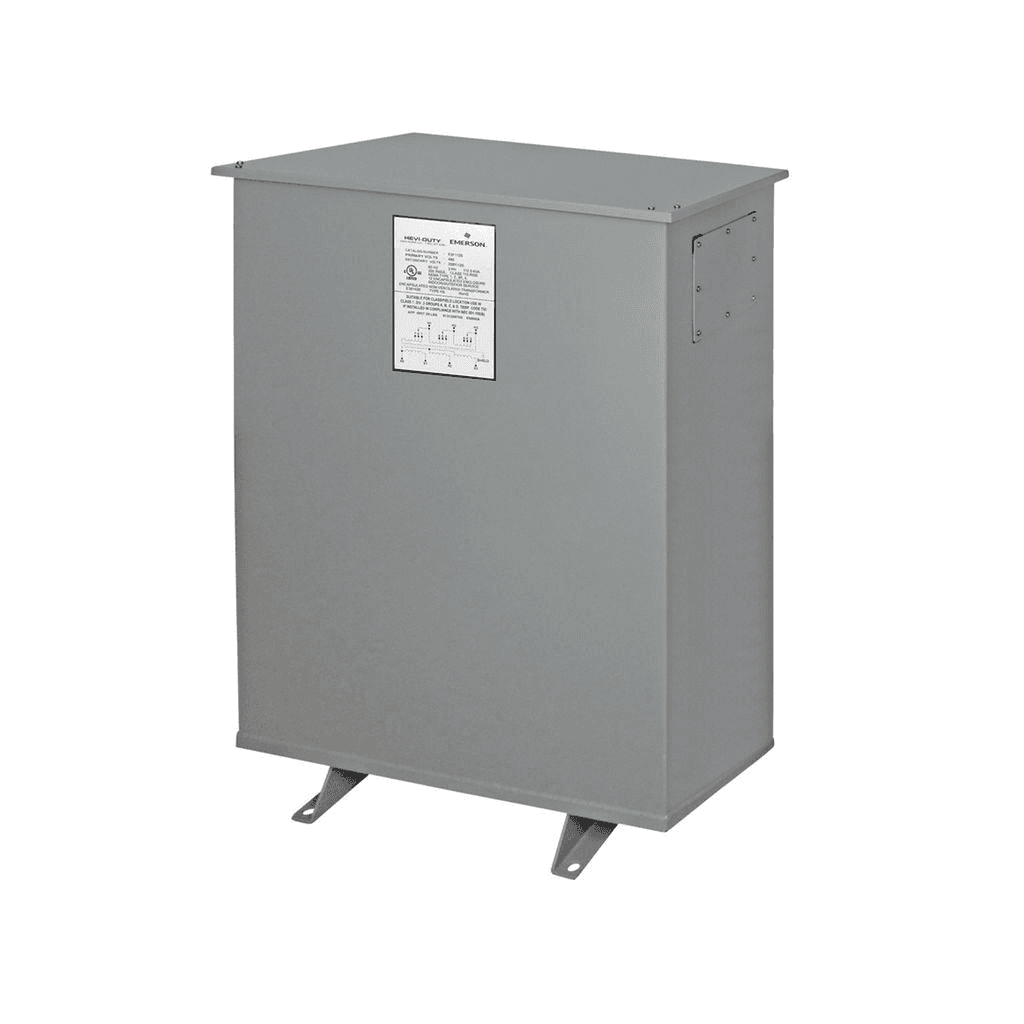
Power Converters
General Guide & Overview
Power converters are essential components used to process and control the flow of electric energy in various applications, ranging from power supplies for personal computers to spacecraft power systems. They convert an unregulated DC voltage into a regulated DC or AC voltage that is suitable for the load.
Power converters can be classified into different types based on their circuit topologies, such as buck converters, boost converters, buck-boost converters, Cuk converters, and SEPIC converters. These converters utilize switched-mode circuits to achieve high efficiency, typically ranging from 70% to 95%. They employ semiconductor devices like diodes, MOSFETs, IGBTs, BJTs, or thyristors as switches to change the magnitude and/or polarity of the voltage.
The conversion ratio of a power converter is controlled by the duty cycle of the switch, which determines the average voltage output. The efficiency and performance of power converters can be improved through the use of advanced techniques, including pulse-width modulation (PWM) for control and regulation, as well as the implementation of feedback systems to maintain stable output voltages.
The selection of a power converter depends on factors such as the input voltage, desired output voltage, power requirements, and overall system design. Power converters find applications in a wide range of industries, including electronics, telecommunications, automotive, renewable energy, and more. They are crucial in enabling the efficient and reliable operation of various electronic devices and systems.
Types of Power Converters and Their Applications
Power converters play a fundamental role in numerous applications, enabling the efficient conversion of electric energy from one form to another. Among the different types of power converters available, buck converters, boost converters, buck-boost converters, Cuk converters, and SEPIC converters are widely used in various industries.
Buck Converters: Buck converters are commonly utilized in power supply systems where the input voltage needs to be stepped down to a lower output voltage. These converters efficiently reduce the voltage level and have a conversion ratio equal to the duty cycle of the switch.
Boost Converters: In contrast to buck converters, boost converters are employed when the input voltage needs to be increased to a higher level. They amplify the voltage magnitude and have a conversion ratio given by 1/(1 - duty cycle). Boost converters find applications in various fields where voltage boosting is required.
Buck-Boost Converters: Buck-boost converters offer the versatility of both stepping up and stepping down the voltage. This capability allows for a wider range of output voltages, making them suitable for applications with flexible voltage requirements.
Cuk Converters: Cuk converters and SEPIC (Single-Ended Primary Inductance Converter) converters have similar functionalities. They can both increase or decrease the voltage magnitude, but they do not invert the voltage polarity. These types of converters are frequently used in battery charging systems, renewable energy systems, and voltage regulators.
The choice of a specific power converter depends on several factors, including the desired voltage levels, power rating, efficiency, and cost considerations. Each type of converter has its unique advantages and applications, making them suitable for different scenarios. By understanding the specific requirements of an application, engineers, and designers can select the most appropriate power converter to ensure optimal performance and efficiency.
Power converters are indispensable components in a wide range of electronic systems and applications. They efficiently convert electric energy from one form to another, enabling the operation of various devices and systems by providing the necessary voltage and current levels. The different types of power converters, including buck converters, boost converters, buck-boost converters, Cuk converters, and SEPIC converters, offer versatility in voltage conversion and find applications in diverse scenarios.
An essential consideration in power converters is efficiency, as it directly impacts energy wastage and heat generation during the conversion process. High-efficiency power converters are desirable to optimize energy usage and minimize environmental impact. The advancements in semiconductor technology and control techniques have contributed to the development of more efficient and reliable power converters.
Looking ahead, power converters are expected to become even more efficient, compact, and cost-effective as technology continues to evolve. Their applications will expand to meet the growing demand for clean and sustainable energy solutions, driving innovation in power conversion technologies.
FAQ
Power converters are essential components used to process and control the flow of electric energy in various applications, converting an unregulated DC voltage into a regulated DC or AC voltage suitable for the load.
Power converters can be classified into different types based on their circuit topologies, such as buck converters, boost converters, buck-boost converters, Cuk converters, and SEPIC converters.
Buck converters reduce the voltage level and are commonly used in power supplies to step down a higher input voltage to a lower output voltage.
Boost converters increase the voltage magnitude and are used in applications where the input voltage needs to be boosted to a higher level.
Buck-boost converters have the ability to both step up and step down the voltage, providing a wider range of output voltage options.
Cuk and SEPIC converters can increase or decrease voltage magnitude without inverting voltage polarity, making them suitable for battery charging systems, renewable energy systems, and voltage regulators.
Power converters can be controlled and regulated using techniques such as pulse-width modulation (PWM) and feedback systems to maintain stable output voltages.
The selection of a power converter depends on factors such as the input voltage, desired output voltage, power requirements, and overall system design.
Efficiency is important in power converters as it determines the amount of power lost during the conversion process. Higher efficiency means less energy wastage and reduced heat generation.
With advancements in semiconductor technology and control techniques, power converters are expected to become even more efficient, compact, and cost-effective to meet the growing demand for clean and sustainable energy solutions.